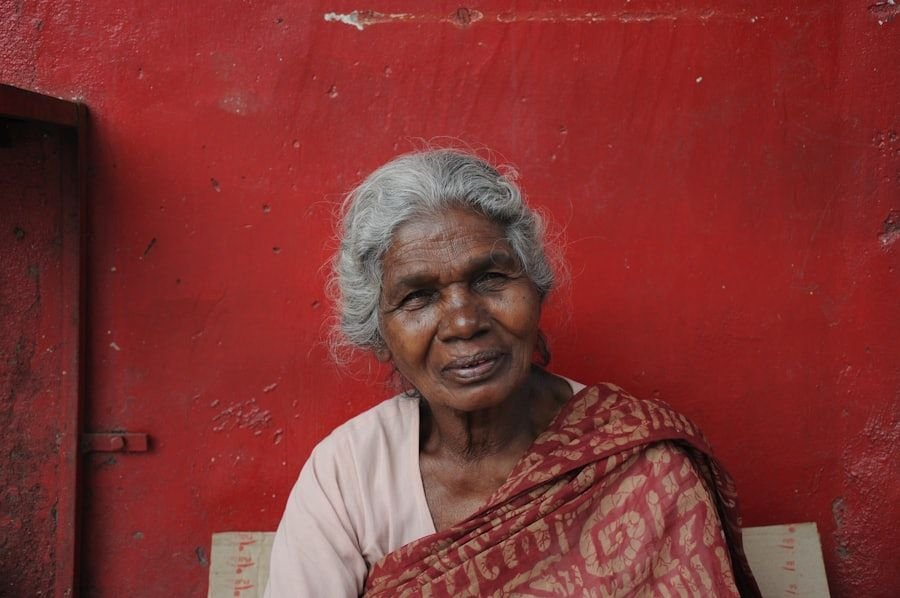
Temple hall circles
Monthly, in the hall that hosted the first workshop, with Paras Mahila Manch. Open to any woman who walks in.
Paschim Vihar · monthly
Community
Sitting together and saying the hard thing out loud is not the social wrapper around the programme. It is part of the programme — the part women tell us they came back for.
Monthly, in the hall that hosted the first workshop, with Paras Mahila Manch. Open to any woman who walks in.
Paschim Vihar · monthly
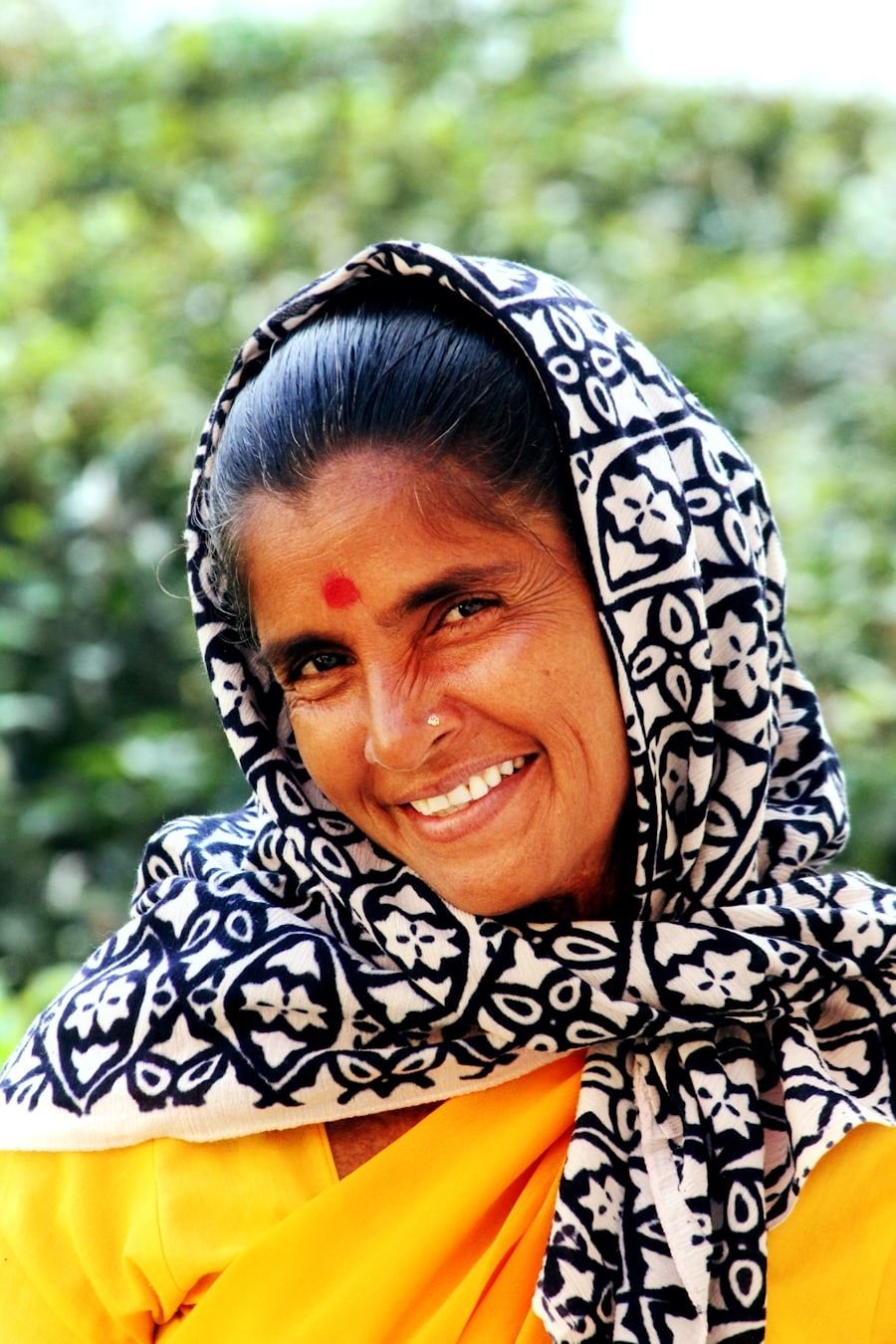
Eight to twelve women in someone’s home. Quieter, and where the difficult conversations usually happen.
Across Delhi-NCR · fortnightly

For the days between. Practice reminders, seasonal notes, and questions answered by the teacher, not a bot.
Ask for the invite link
In her own words
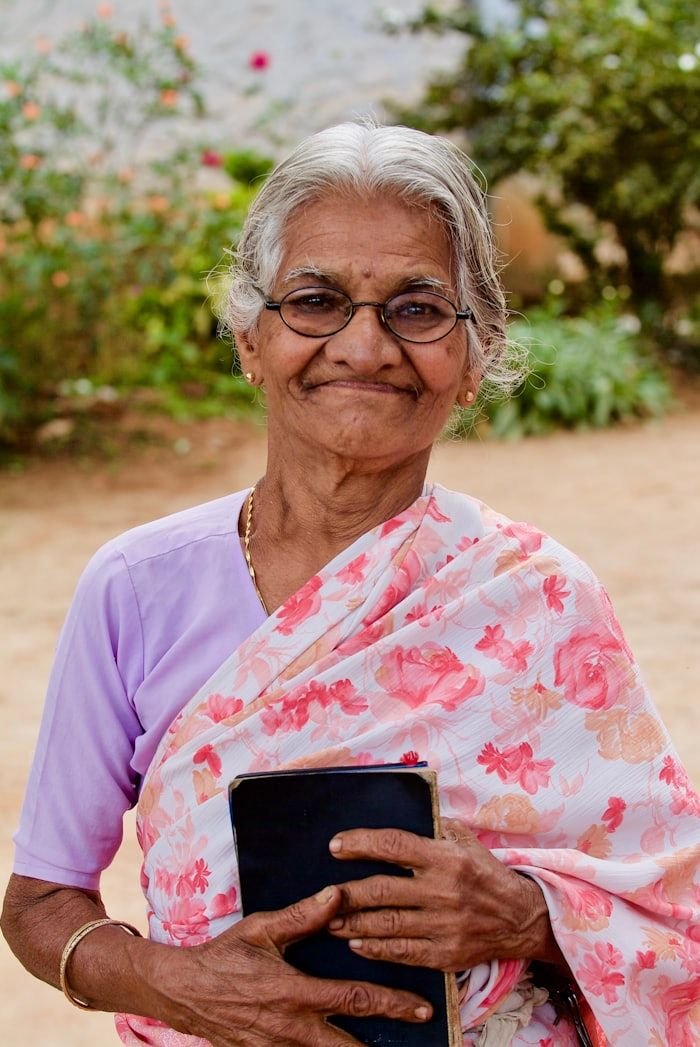
“I had been doing half of this my whole life without knowing why. Being told the reason made me keep it.”
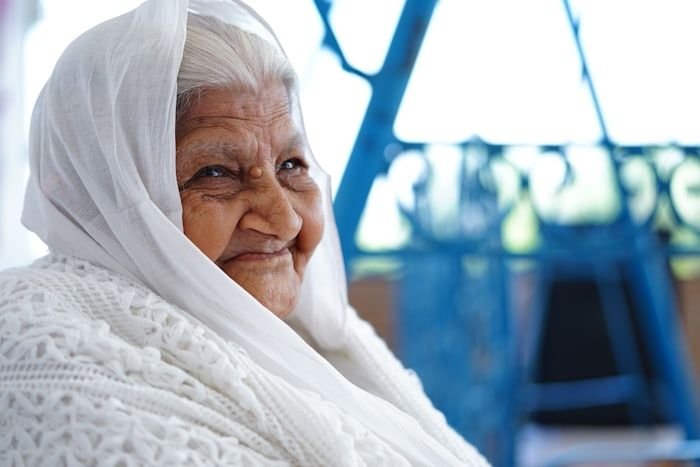
“Nobody had explained what was happening to me. Two hours in a hall did what four appointments had not.”
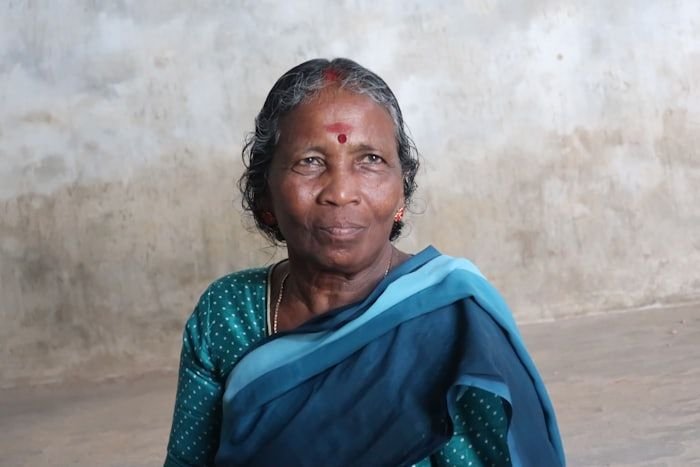
“My mother did abhyanga every day. I thought it was vanity. It was medicine.”
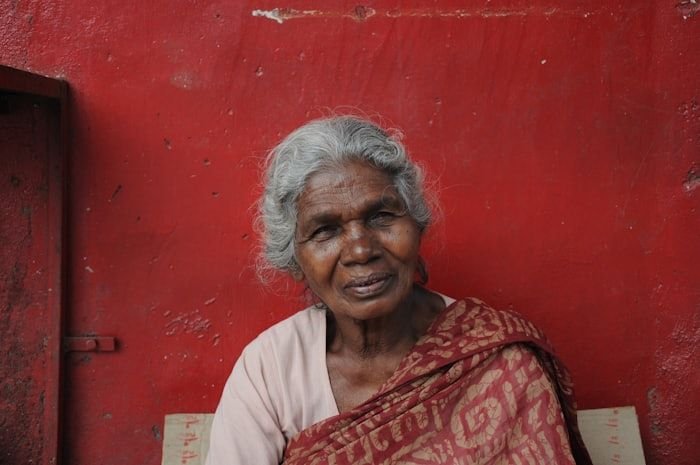
“The fasting session was the one that surprised me — she spent most of it telling us who should not fast.”
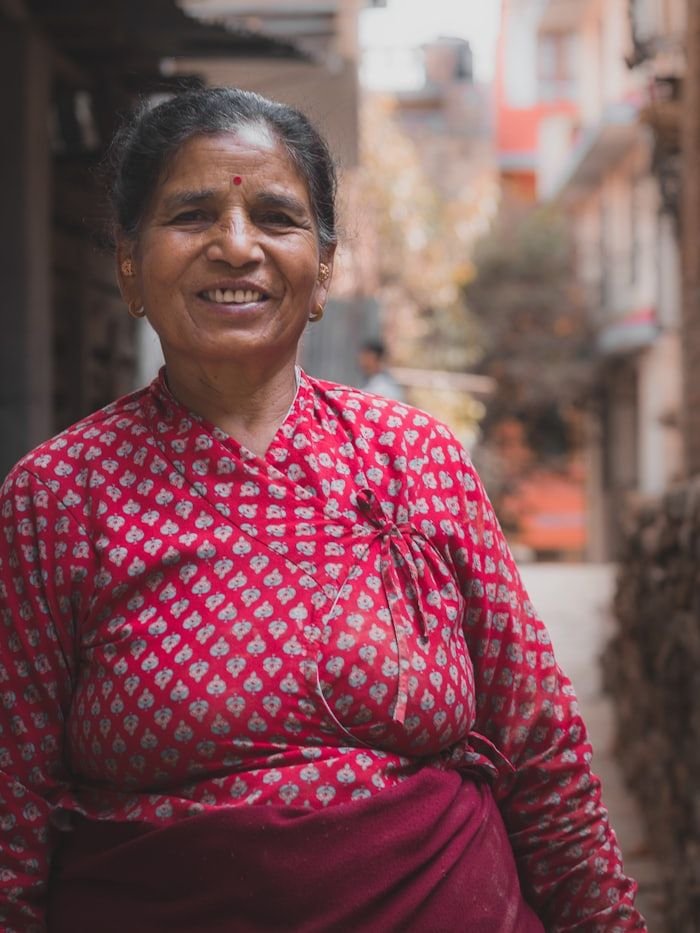
“I came for my knees. I stayed because of the women I sat next to.”
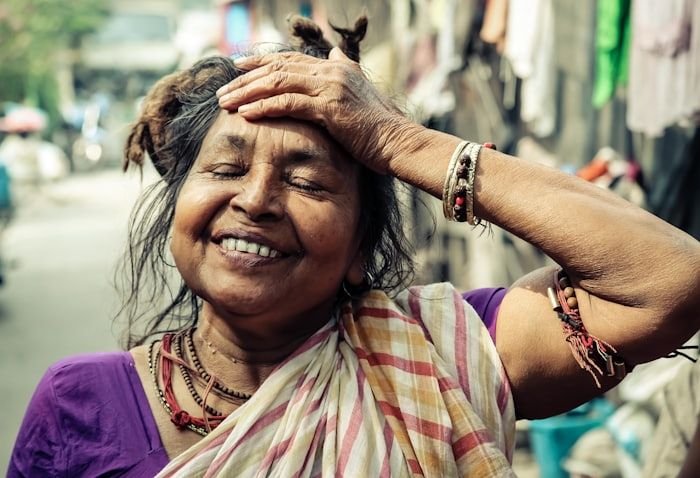
“The wake-up time. That is all I changed for a month, and my daughter noticed before I did.”
Placeholder quotations — send us the real ones and we’ll set them here. Share your story →
The survey
A written questionnaire, handed out on paper at every workshop and filled in by hand. It asks what was never passed down about menopause, what midlife is actually like in the woman’s own household, and what support she has looked for and failed to find.
We keep it on paper deliberately. Writing an answer takes longer than saying one, and in that extra minute women tell us things they had never put into words — several have said the form was the first time anyone had asked.
“What did your mother or grandmother tell you about menopause — and what do you wish she had told you?”
“Which changes surprised you? Which did you assume were simply age, and never mention to anyone?”
“Walk us through an ordinary day in your household. Where in it does rest sit?”
“What help did you need and fail to find? Who did you ask first, and what did they say?”
“What is one thing you would tell a woman ten years behind you — and one thing you would change for yourself this year?”
The questions are written to be slow. Answering them is the first time many women lay their own decade out on a page and see the pattern in it — which is why we hand out the form before we teach, not after.
We read every response and pull out what recurs. The themes — not our assumptions — set what the next circle discusses and which session gets more time.
Answers that come up again and again turn into new material: a session on sleep, a Hindi handout on fasting, a plain answer to the question fifty women asked in different words.
Anonymity
Answers are anonymous unless a woman signs her name and asks us to use it. Nothing identifying leaves the circle, and no response is ever sold, shared or used to sell her anything.
House rules