 01
01
Dinacharya
Daily rhythm
Wake, water, elimination, oil, bathe, eat, sleep — at hours that repeat. The scaffolding everything else stands on.
The programme
Ten practices, one daily rhythm, six seasons. Taught in sequence over six sessions — or in a single two-hour workshop when that’s the time a hall can give us.
The ten
01
Dinacharya
Wake, water, elimination, oil, bathe, eat, sleep — at hours that repeat. The scaffolding everything else stands on.
 02
02
Ritucharya
Six seasons, six adjustments to food, sleep and effort. What suits you in Sharad will not suit you in Grishma.
 03
03
Yoga asana
A short weight-bearing sequence built for joints that have carried a household, held long rather than flowed fast.
 04
04
Pranayama
Three practices only, learned properly: long exhale, alternate nostril, and a cooling breath for the heat that arrives unannounced.
 05
05
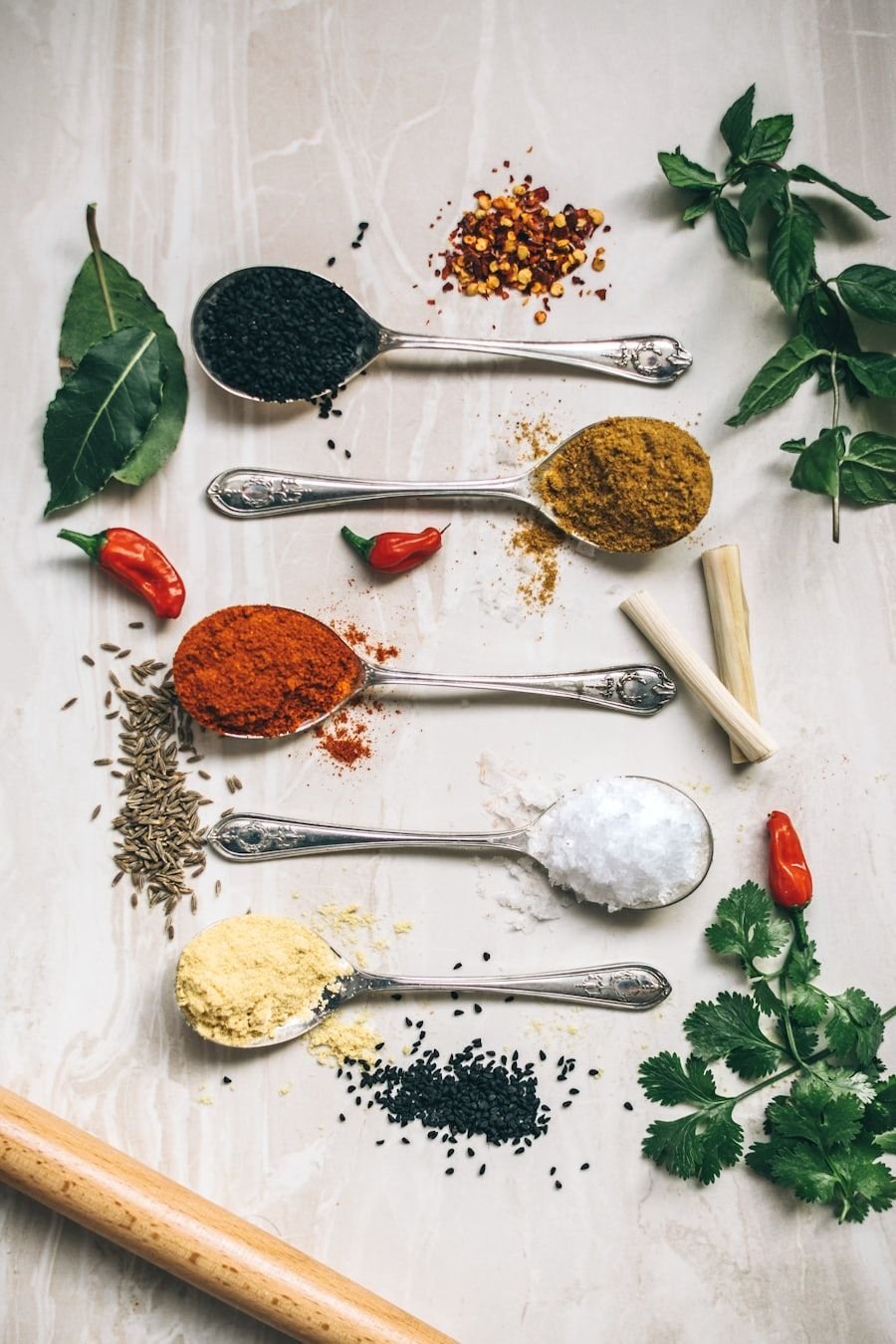
Ahara
The sattvic plate, the main meal at midday, the place of ghee and the herbs a Delhi kitchen already keeps.
 06
06
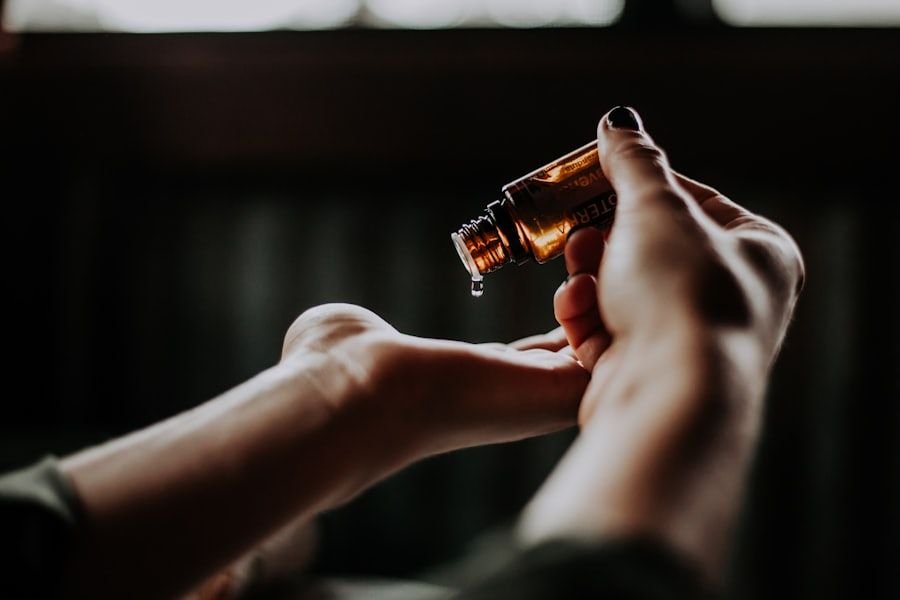
Abhyanga
Warm oil, ten minutes, before the bath. The practice women resist first and keep longest.
 07
07
Upvas
The traditional exceptions taught before the practice — who should not fast, and how the fast is broken.
 08
08
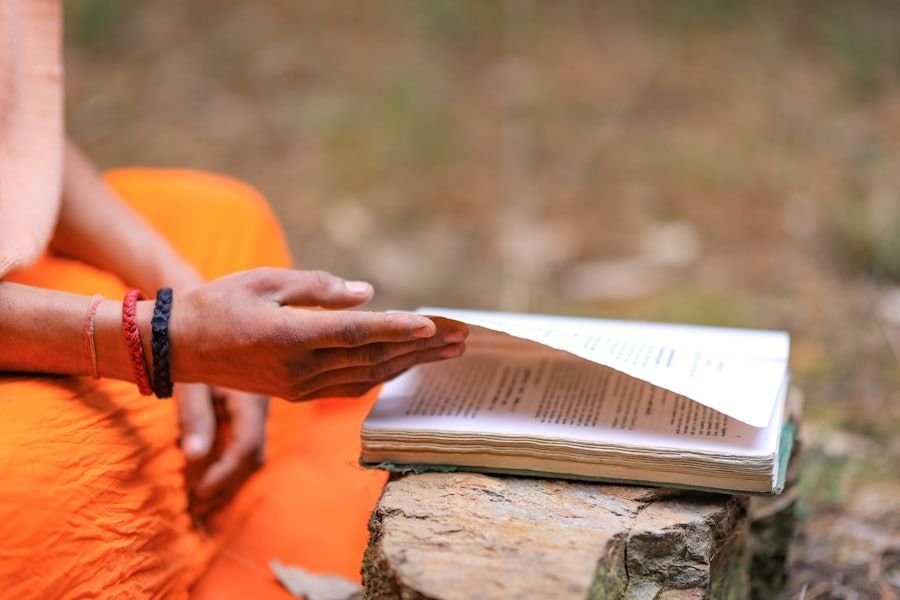
Japa · Dhyana
A count on the mala, a fixed seat, a fixed hour. Attention trained the way the body is trained.
 09
09
Vishram
The forty-day convalescence our grandmothers gave new mothers, applied to a body in transition again.
 10
10
Satsang · Bhajan
Devotional songs sung together, and the company that comes with them. The part women return for — and the reason the other nine survive past week three.
Dinacharya
Everything else in the programme hangs off this. Women who change nothing but the wake time and the evening meal usually report the first difference within a fortnight.
Rise at a fixed hour. Warm water. Nothing on the phone before the feet touch the floor.
Abhyanga, the short weight-bearing sequence, then three rounds of breath before the house wakes.
The largest meal when digestion is strongest — cooked, seasoned, seated, unhurried.
A lighter meal before dusk, a walk after it, and the day’s work put down where you can see it end.
Oil on the soles, japa or a page read aloud, lights low. Sleep at an hour that repeats.
Ritucharya
What suits you in Sharad will not suit you in Grishma. The rhythm holds; what changes is the food, the length of the practice and the hour you stop.
Warm, oily, well-spiced food. Protect the joints; keep the practice short and steady.
Lighten. Bitter greens, less dairy, more movement as heaviness clears.
Cool and sweet. Cooling breath, rest at midday, no fasting in the heat.
Digestion is weakest. Simple, warm, freshly cooked. This is the season to be strict.
Cool the accumulated heat — ghee, sweet fruit, and less that is sour or fermented.
Strength returns. The heaviest food and the longest practice of the year belong here.
The evidence briefs
Every practice carries two lines. We do not blur them, and we do not claim a practice cures what it does not.
6 briefs
Of everything in dinacharya, the single instruction with the strongest modern backing is the least romantic one: sleep and get up at the same hour every day, including Sunday.
Dinacharya sets waking in the last watch of the night and treats the hour of rising as the anchor of the whole day, not a matter of preference.
Regularity of sleep timing is consistently associated with better sleep quality and mood in midlife women; consistency shows up as more important than duration alone in much of the current work.
Paced breathing is the practice women adopt fastest, because it can be done in a meeting without anyone noticing.
Pranayama is taught as the bridge between body and attention — lengthen the exhale, and the mind follows the breath rather than the other way round.
Trials of slow, paced breathing for vasomotor symptoms are small and mixed. Effects on distress and sleep look more reliable than effects on the number of flushes.
The asana sequence we teach for midlife is deliberately weight-bearing, and deliberately unglamorous.
Classical asana is prescribed as daily discipline for strength and steadiness, not as performance — the same handful of postures, held, for years.
Loading and resistance work are the best-established non-pharmacological levers on bone density and fall risk after menopause. This is one place where tradition and trials agree without qualification.
The most common question in every hall is about ghee. The honest answer has three parts.
Ayurvedic nutrition treats ghee as a carrier and a tonic, in small quantity, with the season and the individual constitution deciding how much.
Evidence on saturated fat in midlife women is genuinely contested and depends on what it replaces. We teach the traditional preparation and say plainly that the modern picture is unsettled.
Abhyanga is the practice women resist first and keep longest.
Daily self-massage with warm oil before bathing is prescribed for the joints, the skin and the nerves — and is one of the few practices the texts ask for every single day.
Research on massage and touch points to reductions in perceived stress and improvements in sleep onset. Studies are small; the practice is low-risk and cheap, which is why we teach it.
Upvas is not a weight-loss protocol, and the classical texts are full of exceptions.
Fasting is periodic, seasonal and hedged — the texts exclude the depleted, the grieving and the physically exhausted, and pair every fast with a prescribed way of breaking it.
Time-restricted eating in peri- and post-menopausal women shows modest and inconsistent results, with real risk of under-eating protein. We teach the traditional exceptions before the practice.
Where it comes from
The programme draws on the classical Ayurvedic corpus — principally the Charaka Samhita and the Ashtanga Hridayam — together with allied texts and the household practice that carried them. We cite a text when the practice we teach comes from it. We don’t attach verse numbers we haven’t checked, and we don’t dress a modern idea in an ancient name.
The foundation for dinacharya, ritucharya and the treatment of food as medicine. Most of what we teach about daily and seasonal rhythm comes from here.
Our source for abhyanga, the rules around fasting, and the practical sequencing of a day.
Regional and family practice that never made it into a manuscript. Named as what it is — inherited, useful, untested.
Courses
The six-session course is the full arc; the workshop is the short form we take into halls. Fees are listed on the courses page.